
Mold Testing in Johnsville, PA

Find the Mold Before It Finds You

Certified mold testing that catches problems early, protects your family’s health, and gives you documentation you can actually use.

Hear from Our Customers

Professional Mold Testing Johnsville

Know Exactly What You're Dealing With

You can’t fix what you can’t see. That’s the problem with mold in Bucks County homes—it hides in crawl spaces, behind drywall, under flooring, anywhere moisture gets trapped. By the time you notice the musty smell or see visible growth, it’s usually been there for weeks.

Professional mold testing tells you what’s actually happening in your home. Not guesses. Not assumptions. Lab-verified results that show what type of mold is present, how much, and where it’s concentrated.

That matters because not all mold is the same. Some species cause respiratory issues. Others trigger allergic reactions or asthma attacks. A few are legitimately toxic. You need to know what you’re breathing so you can make informed decisions about your next steps—whether that’s targeted remediation, ventilation improvements, or just peace of mind that your air quality is fine.

Testing also gives you documentation. If you’re selling a home, filing an insurance claim, or dealing with a landlord dispute, you’ll have third-party lab reports that hold up. No one can dismiss your concerns when you’ve got certified results in hand.

Mold Testing Company Johnsville, PA

We Test Mold. We Don't Remove It.

That’s intentional. We operate as a third-party mold testing company, which means we’re not trying to upsell you on remediation. We inspect, we test, we report. If you need mold removed, we’ll tell you exactly what needs to happen—but we’re not the ones doing it.

Why does that matter? Because it keeps the process honest. When the same company tests and remediates, there’s a built-in conflict of interest. We remove that entirely.

We’ve been serving Johnsville and the surrounding Bucks County area long enough to know how Pennsylvania’s humid summers and wet basements create perfect conditions for mold growth. Our certified inspectors use moisture meters, infrared cameras, and air sampling equipment to detect mold you’d never find on your own. Then we send samples to independent labs for analysis. You get clear answers, a detailed report, and a realistic action plan if remediation is needed.

Residential Mold Testing Process

Here's What Happens When You Call

First, we schedule an inspection at a time that works for you. Most of the time, we can get to your Johnsville property within 24 hours if it’s urgent.

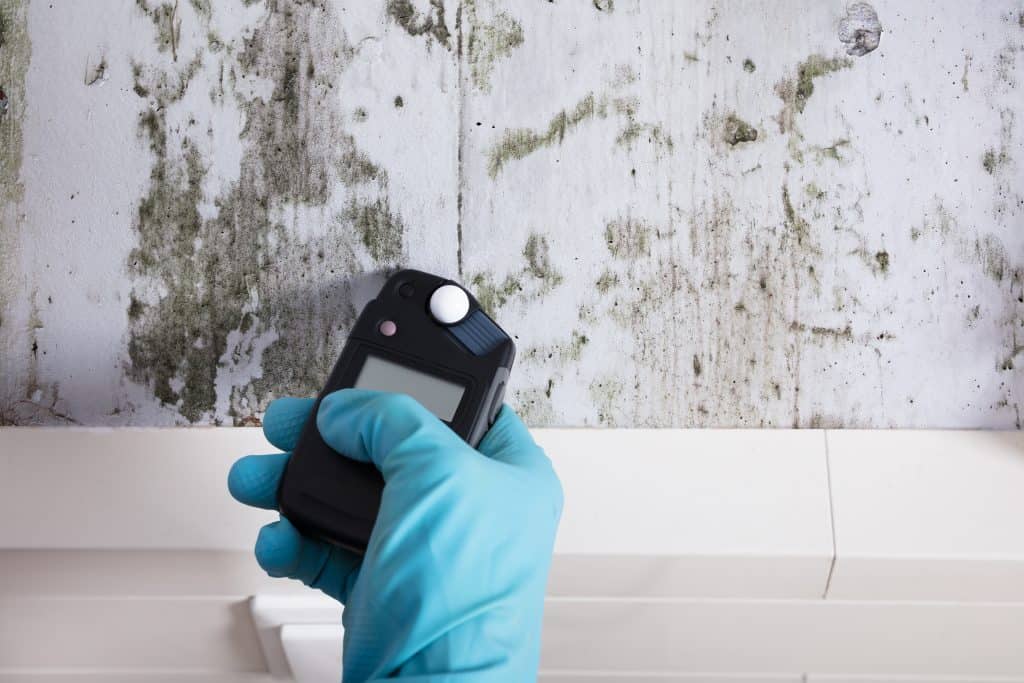
When we arrive, our certified inspector walks through your home with you. We’re looking for visible mold, water damage, humidity issues, and areas where mold is likely hiding. We use moisture meters to check walls, ceilings, and floors. Infrared cameras help us spot temperature differences that indicate moisture buildup behind surfaces.

Then we collect samples. Air samples measure mold spore concentration in different rooms. Surface samples test visible growth or suspicious areas. We label everything, document conditions, and send samples to an independent lab for analysis.

Within a few days, you get a full report. It shows what types of mold were found, the spore count in each area, and whether levels are elevated compared to outdoor baselines. We also include a step-by-step protocol if remediation is necessary—what needs to be removed, how to contain the area, and what repairs will prevent it from coming back.

You’re not left guessing. You’ll know exactly what the problem is and what it takes to fix it.

Ready to get started?

Explore More Services

About Mack's Mold Removal

Black Mold Test Johnsville, PA

What's Included in a Mold Inspection

Every mold inspection we perform covers a visual assessment of your property, moisture detection using calibrated meters, and infrared scanning to find hidden water intrusion. We check basements, crawl spaces, attics, bathrooms, kitchens—anywhere moisture tends to accumulate in Bucks County homes.

Air sampling is standard. We collect samples from multiple rooms to measure airborne mold spore levels. If there’s visible growth or water damage, we take surface samples too. All samples go to a certified lab, not an in-house facility. That keeps results unbiased.

You’ll also get a written report that meets Pennsylvania Department of Health standards. It includes lab results, photos of problem areas, moisture readings, and a remediation protocol if mold levels are elevated. If you’re dealing with insurance, real estate transactions, or tenant issues, this documentation holds weight.

Johnsville’s climate makes mold testing especially relevant. Humid summers, older homes with poor ventilation, and basements prone to seepage create conditions where mold thrives. Even newer construction isn’t immune—improperly installed vapor barriers or HVAC issues can trap moisture inside walls. Testing catches these problems before they become expensive repairs.

How do I know if I actually need a mold test?

If you smell something musty but can’t find the source, that’s a good reason to test. Mold has a distinct odor, and if it’s strong enough to notice, there’s usually growth somewhere you can’t see.

Health symptoms are another indicator. If you or your family are experiencing unexplained respiratory issues, allergy flare-ups, headaches, or fatigue that improve when you leave the house, mold exposure could be the cause. Testing confirms whether elevated mold levels are present.

Water damage is a clear trigger. If you’ve had a leak, flood, or persistent condensation issue, mold is likely growing even if it’s not visible yet. Testing shows whether remediation is necessary or if drying things out was enough. You should also test before buying a home in Johnsville, especially older properties with basements or crawl spaces that show signs of past moisture problems.

Air testing measures the concentration of mold spores floating in your indoor air. We collect samples from different rooms and compare them to outdoor levels. If indoor spore counts are significantly higher, it indicates active mold growth somewhere in the home.

Surface testing involves swabbing or tape-lifting a sample from visible growth or a suspicious area. This tells us exactly what species of mold is present on that surface. It’s useful when you can see discoloration or growth but don’t know if it’s mold or just dirt and mildew.

Most inspections we do include both. Air testing gives you the big picture of your indoor air quality. Surface testing identifies specific problem areas. Together, they provide a complete assessment. In Bucks County homes, basements and attics often show elevated air samples even when there’s no visible mold—moisture gets trapped, and spores circulate through HVAC systems. That’s why air testing catches problems surface testing alone would miss.

The on-site inspection usually takes one to two hours, depending on the size of your home and how many areas we’re testing. We’re thorough, but we’re not going to waste your time.

Once we collect samples, they go to an independent lab for analysis. Lab turnaround is typically three to five business days. As soon as we receive results, we compile them into a detailed report and send it to you.

If you need results faster—say you’re in the middle of a real estate transaction or dealing with an urgent health concern—some labs offer expedited processing for an additional fee. We can arrange that if timing is critical.

The report includes everything: lab results, photos, moisture readings, and remediation recommendations if needed. We also walk you through the findings so you understand what you’re looking at. You’re not just handed a stack of numbers and left to figure it out. We explain what the results mean for your home and your next steps.

You can, but those kits have serious limitations. Most rely on petri dishes that collect whatever settles on them over 24 to 48 hours. The problem is, mold spores are everywhere—indoors and outdoors. Those kits will almost always show mold growth because that’s how mold works. They don’t tell you if levels are elevated or if the mold is actually a problem.

They also can’t detect hidden mold. If growth is behind drywall, under flooring, or in your HVAC system, a petri dish sitting on your counter won’t find it. Professional air sampling and moisture detection equipment can.

Lab analysis is another issue. Some kits include lab processing, but the results are often vague—just a confirmation that mold is present, without identifying species or concentration levels. That’s not useful if you’re trying to determine whether remediation is necessary or if you need documentation for insurance or legal purposes.

Professional testing costs more, but you’re paying for accuracy, comprehensive coverage, and results you can actually use. In Johnsville, where basements and crawl spaces are common mold sources, a $10 kit isn’t going to give you the full picture.

Not directly, but it gives you the information you need to get accurate estimates. The report shows what areas are affected, what type of mold is present, and how extensive the contamination is. Remediation companies use that information to scope the job and provide pricing.

Small, isolated mold growth—like a patch on a bathroom ceiling—might only cost a few hundred dollars to remove. Extensive contamination in a basement or crawl space, especially if it involves structural materials like floor joists or drywall, can run into the thousands. The testing report helps you understand which scenario you’re dealing with.

It also prevents you from overpaying. Without testing, some remediation companies will assume the worst and quote you for more work than necessary. With lab-verified results in hand, you know exactly what needs to be addressed. You can get multiple bids and compare them against the documented scope of work.

If mold levels are low and remediation isn’t urgent, the report might recommend monitoring and moisture control instead. That could save you thousands. Testing gives you options, not just a sales pitch.

Because the company testing your home shouldn’t be the same one selling you mold removal. That’s a conflict of interest, plain and simple. If they profit from finding mold, there’s an incentive to overstate the problem or recommend unnecessary work.

Third-party testing keeps the process honest. We inspect, collect samples, and report findings. We don’t benefit from inflating the scope of contamination. If your home tests clean, we tell you. If remediation is needed, we give you a clear protocol and you choose who does the work.

Industry standards recommend third-party testing for this exact reason. It protects you from being upsold and ensures the results are objective. In Johnsville, where mold concerns are common due to Bucks County’s humid climate, you want someone who’s looking out for your interests—not their bottom line.

Independent lab analysis adds another layer of credibility. Your results come from a certified facility with no stake in the outcome. If you need to present findings to an insurance company, a buyer, or a court, third-party documentation carries more weight than a report from the company trying to sell you services.

Other Services we provide in Johnsville